







Search Results for: Slightly acidic coffee beans

Moka Pot Grind Size: Pair It with the Right Roast Level
Coffee brewed in a moka pot can have bright fruity notes, or it can show the depth of cocoa and nuts. An important clue that determines the difference is the roast level of the coffee beans. Light-roasted beans have a tighter structure, and the release of flavor needs more push; dark-roasted beans are easier to extract, and if the grounds are too fine, bitterness and a burnt taste will quickly [more…]

Front Street Sunflower Autumn Blend: The R&D Journey and Flavor Analysis of a Pour-Over Blend
Autumn has arrived, and Front Street Coffee has launched a blend designed specifically for pour-over—Sunflower Autumn Blend. This coffee is based on Yunnan Typica as the main component, paired with washed Yirgacheffe Kochere and Gesha Village sun-dried Geisha. After multiple raw blend experiments and roasting adjustments, it ultimately presents a soft and varied acidity, medium-high sweetness, and a lasting sweet finish. In terms of flavor, it has aromas of black tea, cocoa, caramel, jackfruit, orange, and nuts, with a clean and transparent mouthfeel, medium body, and a slight effervescence. This article will document in detail the development approach, bean composition process, roasting curve, and brewing performance of this autumn blend, making it a useful reference for coffee enthusiasts who enjoy pour-over blends. [more…]
How Coffee Grind Size Affects Extraction and Flavor: A Comprehensive Analysis from Extraction Yield to Bitterness Control
The coarseness of coffee grounds directly determines the resistance and contact area when hot water passes through the coffee bed, which in turn affects the flavor direction of the final cup. A short extraction time requires finer particles to increase surface area; a longer time requires larger particles to avoid over-extraction. Grind size and extraction time need to form a proportional relationship to balance acidity, sweetness, and bitterness. Light and dark roasts also have different requirements for grind size: light roasts favor slightly finer grinds, while dark roasts favor slightly coarser ones. In addition, coarseness is also a key lever for controlling bitterness: too fine and all the astringent, bitter compounds are released; too coarse and the sweet aromatics remain trapped in the grounds. This article will systematically review how grind size affects extraction yield, flavor, and equipment compatibility, and offer practical directions for adjustment. [more…]

The Origin Story of Latte | Which Tastes Better: Iced Latte or Hot Latte? What Is the Proper Way to Drink a Latte? Which Coffee Beans Are Suitable for Making an Espresso Latte?
Among the many espresso coffee choices, if someone asks which espresso coffee has the highest milk content, Front Street Coffee will definitely answer that it is a latte, and latte is further divided into iced latte and hot latte; their methods are slightly different, but the recipe is the same [more…]

Hand-brewed Blend Coffee Beans | Can Espresso Beans Be Used for Hand-brewed Coffee? How to Blend Single-Origin Beans for Hand-brewing? Hand-brewed Blend Bean Roasting Parameters and Flavor Introduction?
As autumn turns to winter and the weather gradually cools, Front Street Coffee created the Front Street Sunflower Warm Sun espresso blend, suited to espresso, quite some time ago. Following this line of thinking, Front Street also wanted to make a blended coffee bean suitable for autumn drinking and usable for pour-over coffee. Front Street Coffee (FrontStreet C [more…]
How to Adjust AeroPress Brewing for Dark Roast Beans? A Practical Analysis of Grind Size and Coffee-to-Water Ratio
The AeroPress excels at immersion extraction, and the resulting brew is usually balanced and easy to drink. But when the coffee beans are switched to a medium-dark roast and the goal is to highlight a rich, full-bodied taste, the original parameters often fall short. In this article, Front Street Jamaica Blue Mountain is used as the experimental bean, with water temperature fixed at 85°C, inverted extraction, and total time controlled within two minutes, changing only the grind size (BG 6M, BG 6A, BG 5R) and the coffee-to-water ratio (1:14, 1:13) for comparison. The results showed that: BG 6M had a noticeably brighter, crisper fruit acidity, BG 6A stood out with chocolate and nut notes but had slightly weaker sweetness, while BG 5R delivered the fullest cocoa and caramel sweetness. The final recommendation is to use a medium-fine grind, a 1:13 coffee-to-water ratio, and a short extraction time for dark-roasted beans, in order to achieve a rich and balanced cup performance. [more…]
Caturra vs. Catuai Coffee Beans: A Full Analysis of Variety Origins, Cultivation Characteristics, and Flavor Performance
Caturra and Catuai are both coffee varieties that attract a lot of attention in the coffee world. The former originated from a single-gene mutation of Bourbon, while the latter is a hybrid descendant of Mundo Novo and Caturra. The two have their own strengths in plant morphology, resistance to wind and rain, altitude adaptability, and cup flavor. Caturra has bright acidity and prominent sweetness, but is slightly inferior in body and cleanliness; Catuai inherits the advantages of being dwarf and wind-resistant, with stable yields, but unfortunately its flavor layers are slightly one-dimensional. Front Street Coffee has always been committed to sharing coffee knowledge. This article will take you through the differences and respective advantages of this pair of "brothers from the same family," from variety origins and cultivation characteristics to flavor performance. [more…]
Flat White | Which coffee beans are suitable for making a Flat White? Is there a difference in the coffee-to-milk ratio between a Flat White, a Latte, and a Cappuccino?
For more specialty coffee knowledge, please follow our WeChat public account: Front Street Coffee (FrontStreet Coffee). When it comes to espresso, everyone will definitely think of lattes, cappuccinos, mochas, and so on, but very few people mention the Flat White. So what kind of drink is this? [more…]

Complete Guide to Coffee Varieties and Flavor Comparison: From Typica and Bourbon to Geisha
The world of coffee varieties is intricate and diverse, with over 500 species of coffee trees globally and as many as 6,000 varieties. However, those with real commercial value and widespread cultivation are mainly concentrated in the two major systems: Arabica and Robusta. Front Street Coffee has systematically sorted out the origins, characteristics, and flavor profiles of major varieties and their mutations, from Typica and Bourbon to Geisha, while also introducing the cupping characteristics and brewing parameters of classic regional coffees such as Mandheling, Blue Mountain, and Kona. Through a combination of text and images, this article helps coffee enthusiasts build a clear understanding of the relationship between coffee varieties and taste. Whether you are a novice just starting out or a seasoned enthusiast, you will find practical reference information here. [more…]
There are over five hundred species of coffee trees worldwide, with subdivided varieties numbering as many as six thousand. Faced with such a dazzling array of coffee beans, many enthusiasts often recognize only the two major names, Arabica and Robusta, while having only a vague understanding of the family lineage behind them. This article systematically sorts out the complete脉络 of coffee varieties: first introducing the four major coffee tree species and their commercial value, then explaining in detail the two main lines under Arabica—Typica and Bourbon—as well as the common variants derived from them such as Mandheling, Blue Mountain, Kona, Maragogype, Pacamara, Caturra, Catuai, and Geisha, and finally supplementing with interspecific hybrid varieties of Arabica and Robusta. Whether you are a beginner just starting out or a seasoned player looking to refine your cupping knowledge, this lineage chart can help you build a clear framework for understanding coffee varieties. [more…]
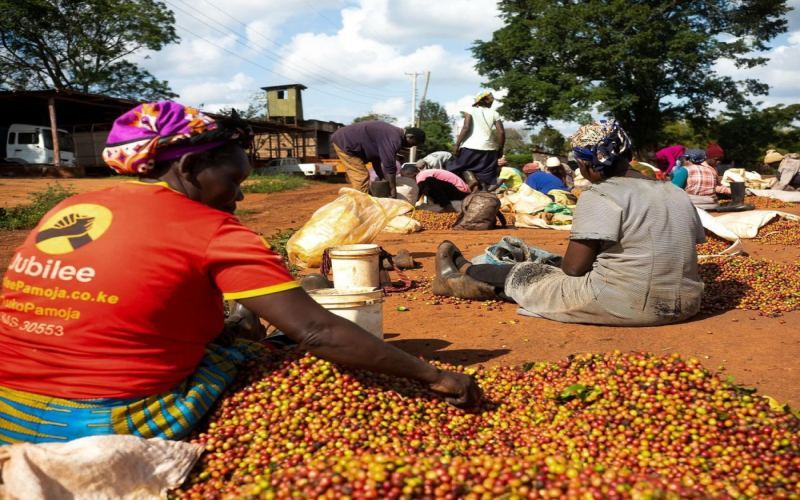
A Full Analysis of the Flavor Differences and Pour-Over Parameters of Three Kenyan Coffee Beans: A Comparative Review of Karogoto, Asaliya, and Haniya
Kenya, as a well-known coffee-producing country in Africa, is famous for its bright fruit acidity and rich aroma. Front Street Coffee currently has three Kenyan beans—Karogoto, Asali, and Hania—from the Nyeri and Kiambu Thika producing regions respectively, covering SL28/SL34 and French Mission Bourbon varieties, with processing methods ranging from K72 washed to refined natural. This article compares them one by one from producing region, altitude, variety, processing method, roasting curve to cupping flavor, and includes a unified pour-over extraction recipe, helping coffee lovers understand the stylistic differences among the three and find the one that suits their taste. [more…]
Let Fruit and Sweetness Land in the Cup: A Guide to Roast Levels for Pour-Over Beans
If you want to brew a pour-over coffee with clear sweetness and noticeable fruity aromas, roast level is a very useful screening clue. It affects how well the beans retain their aroma, how the acidity expresses itself, and the body of the cup, and it also determines how much force you need during brewing. Light roasts are lighter and brighter, while medium roasts are rounder and fuller—choose the right direction, and the fruity notes and sweetness will come through more easily [more…]

Espresso Bean Selection | What's the Difference Between a Single and Double Espresso? How Do You Tell If an Espresso Is Any Good?
Coffee enthusiasts who regularly drink espresso know that drinks like mocha, cappuccino, latte, and so on use different ratios of espresso to milk. Some use a single shot of espresso, while others use a double shot. So what is the difference in grind size between a single and a double shot of espresso? What kind of coffee beans should be used to make espresso? [more…]

Can Espresso Blend Beans Be Used for Pour-Over? A Full Breakdown of the R&D Process for a Yunnan Typica Autumn Pour-Over Blend
Many people assume that blended coffee beans can only be used for espresso, but Front Street Coffee has proven through actual research and development that pour-over can also handle blended beans. This article provides a complete record of Front Street's process in developing an autumn pour-over blend: from determining Yunnan Typica as the base bean, to pairing it with Yirgacheffe Kochere and Gesha Village Red Label Natural Geisha, and then to the repeated adjustments of the raw blend roasting curve and cupping verification. You will see the blending approach, the logic behind selecting the base and companion beans, the trade-offs between raw blending and roasted blending, the details of the roasting parameters, and the final flavor expression of black tea, cocoa, caramel, and jackfruit. [more…]

Blended Coffee Bean Recommendations | Which Coffee Beans Are Suitable for Espresso? What Are the Coffee-to-Milk Ratios for Lattes and Flat Whites?
For more specialty coffee knowledge, please follow: Front Street Coffee (Frontsteet Coffee). Coffee enthusiasts who have tried a flat white know that flat white is not served iced—if you add ice cubes, it will most likely become a latte, which means that a flat white is more [more…]
How to Choose the Grind Size for a Moka Pot? Adjusting by Roast Level Is More Accurate
For the same moka pot, when you switch to light, medium, or dark roast beans, the ideal grind won't be exactly the same. You can think of the grind size for a moka pot as a range: overall coarser than espresso machine grounds, finer than pour-over grounds, with a texture somewhere between fine and regular granulated sugar. The lighter the roast, the closer you generally move toward the finer end; the darker the roast, [more…]
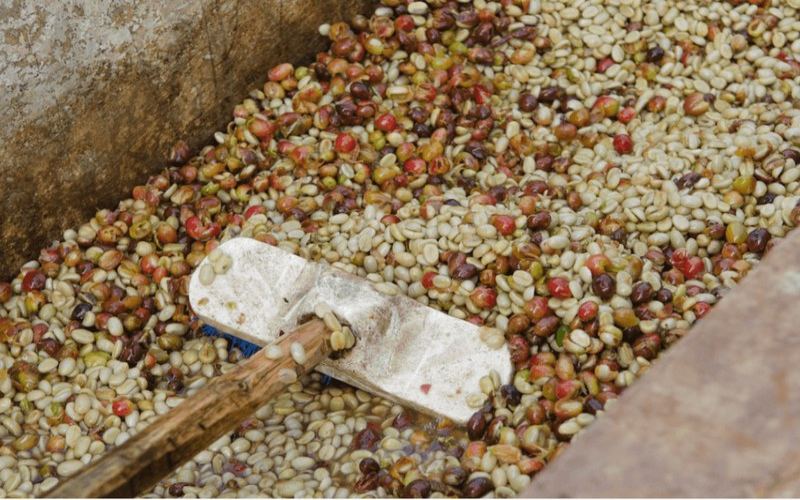
Yirgacheffe pour-over beans, each roast level has its own brewing method
When Yirgacheffe is brewed in a pour-over, the differences you taste come not only from the growing region but also from the roast level. For the same floral and fruity character, a light roast may taste like citrus blossom tea, a medium roast gains riper fruit sweetness, and a dark roast shifts toward cocoa and roasted aromas. When buying beans, first look at the roast direction, then imagine what kind of cup you'd be happy to drink every day. Light-roast Yir [more…]
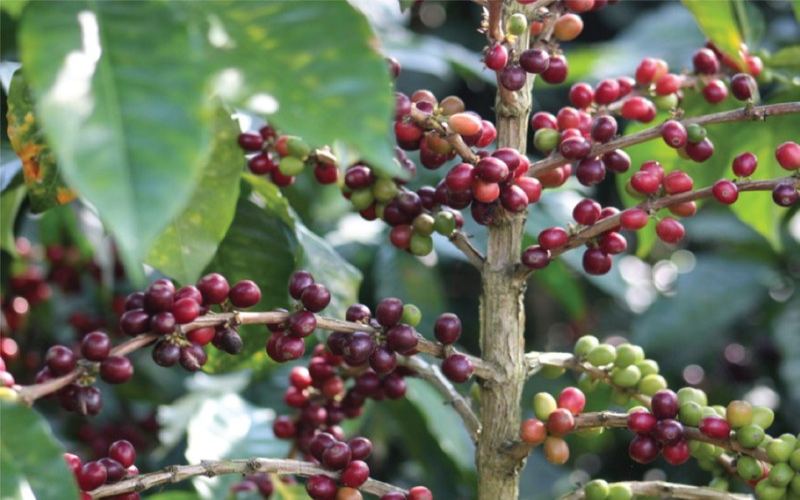
How to Choose Roast Level? A Repurchase Review of Three Coffee Beans
The roast level of coffee beans determines the first flavors that hit your palate, and also affects the liveliness of the aroma, the body, and the margin for error during brewing. Lighter-roasted beans more readily showcase the origin and processing method, medium roasts strike a better balance between sweetness and acidity, while darker roasts suit those who prefer intensity and richness. If you're looking for a bean that can [more…]
The roast level of hand-ground coffee beans determines the flavor
When hand-grinding coffee beans, the roast level is a very useful screening clue. As the beans go from light to dark, the aroma, acidity, body, and aftertaste in the cup all gradually shift their focus. If you like bright fruity notes, pay attention to light roasts; if you want soft sweetness and a balanced taste, medium roasts are easier to accept; if you prefer something rich and full-bodied, you can [more…]
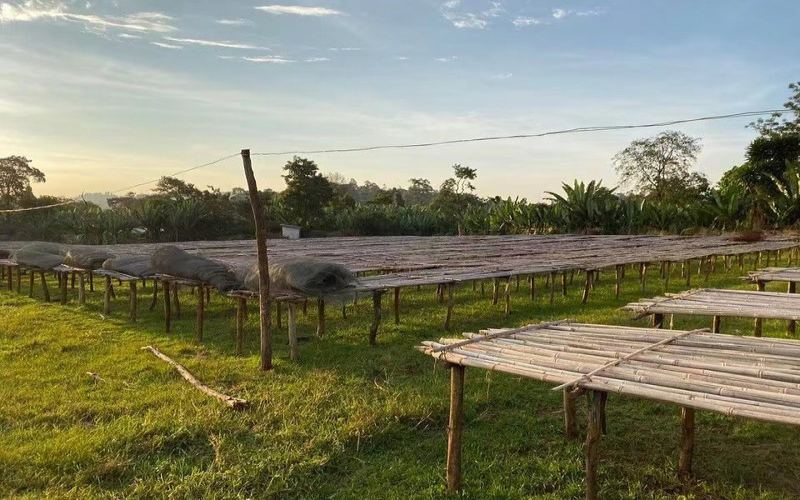
How to Choose Everyday Beans for a Moka Pot: Roast Level Determines the Cup
Coffee brewed in a moka pot is usually more concentrated than filter coffee, with a noticeable weight on the palate. As the roast level of the beans changes, the acidity, sweetness, aroma, and finish in the cup shift accordingly. If you're looking for a daily-drinker staple bean, start by checking the roast direction on the packaging, then decide whether you more often drink your coffee black or [more…]